Bookshelf
Resources
Books, essays, and references I keep recommending — on design leadership, agentic AI, and the ethics of building things that act for people. Each one links out.
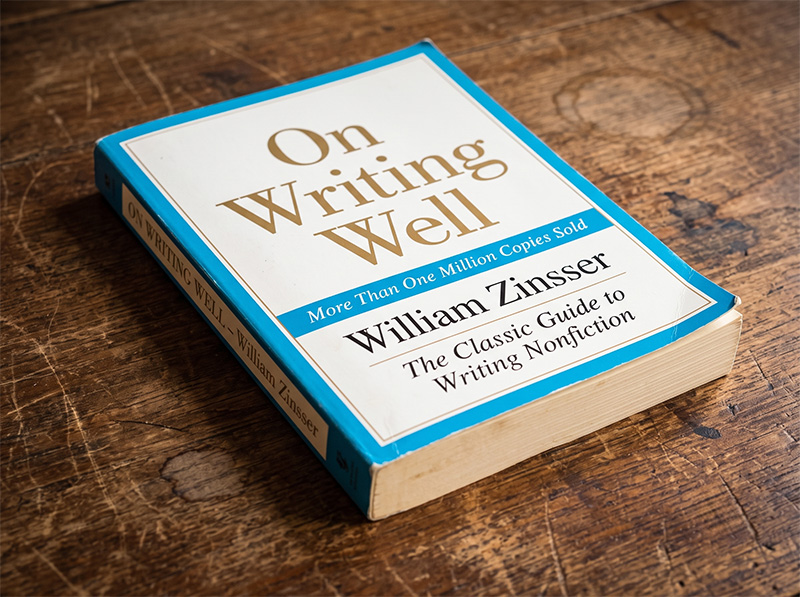
On Writing Well
Interface copy is writing. This is the book that teaches you to cut until only the true words remain.
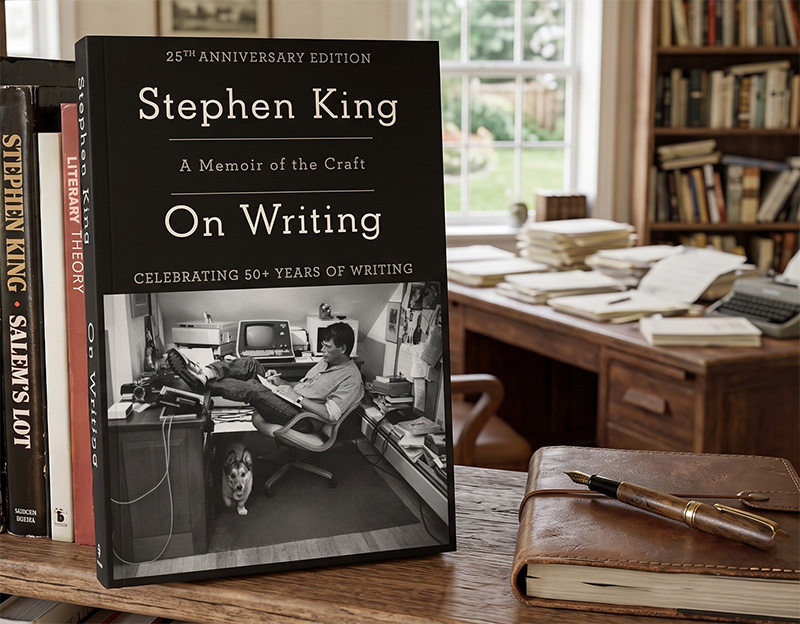
On Writing: A Memoir of the Craft
Both a memoir and a masterclass in the craft of storytelling, Stephen King’s book is fraught with struggle, and it’s one I regularly return to remind myself why creating is hard.
Refactoring UI
The practical visual-design shortcuts most engineers, and plenty of designers, are quietly missing. Immediately applicable.
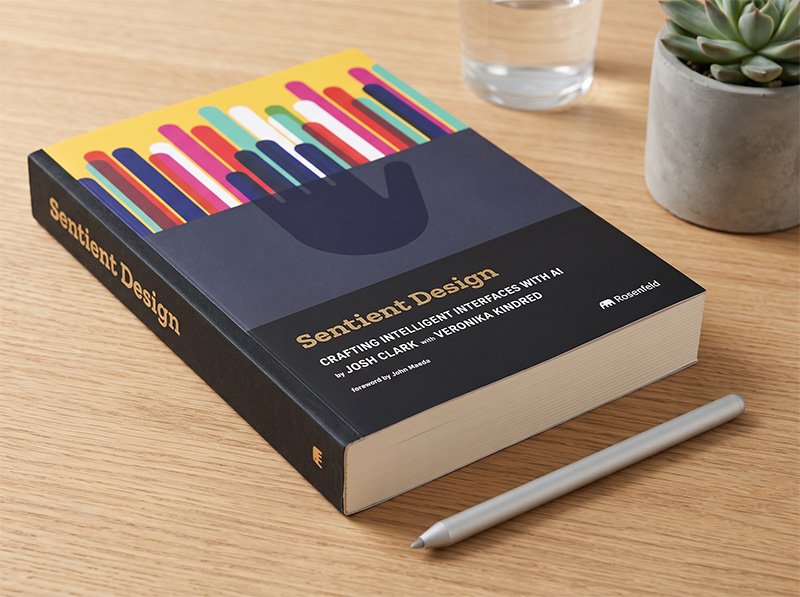
Sentient Design
The richest treatment of AI as a design material and radically adaptive interfaces. This is the book I’m recommending for this moment.
Shape Up
How to scope and bet on design work without drowning in backlogs, prioritization, and grooming. I order it for every new design manager.
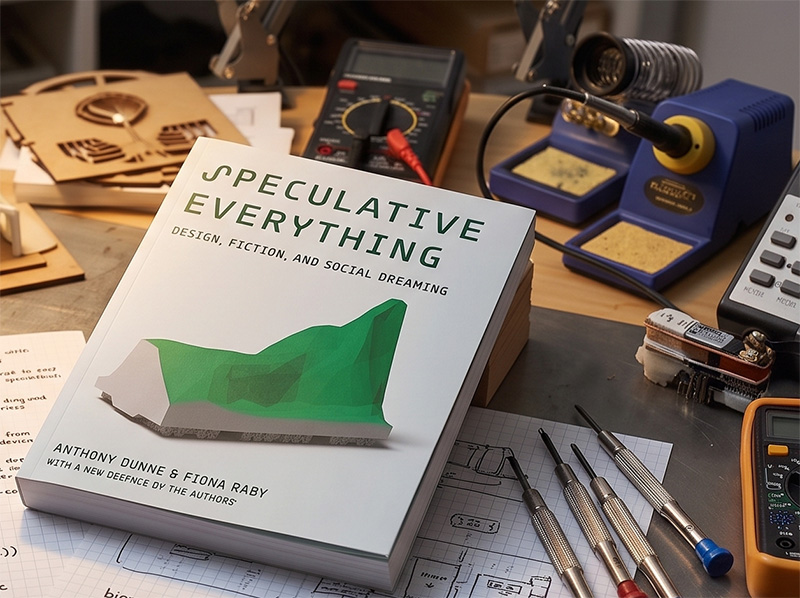
Speculative Everything: Design, Fiction & Social Dreaming
A book about imagination, it challenges designers to move beyond convention and design prototypes of alternative futures. It’s both timeless and timely as we move beyond the paradigms of the past.
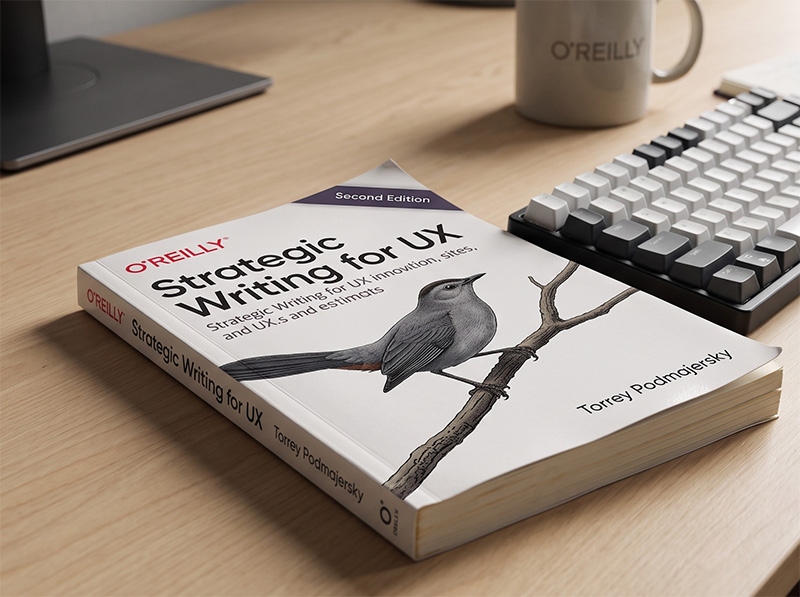
Strategic Writing for UX (Second Edition)
I met Torrey when she spoke at the South Bay UX meetup. Since then, I’ve recommended her book to designers and content writers. The new edition is a framework for clear, actionable copy that is vital when your interface consists almost entirely of text strings generated by an LLM.
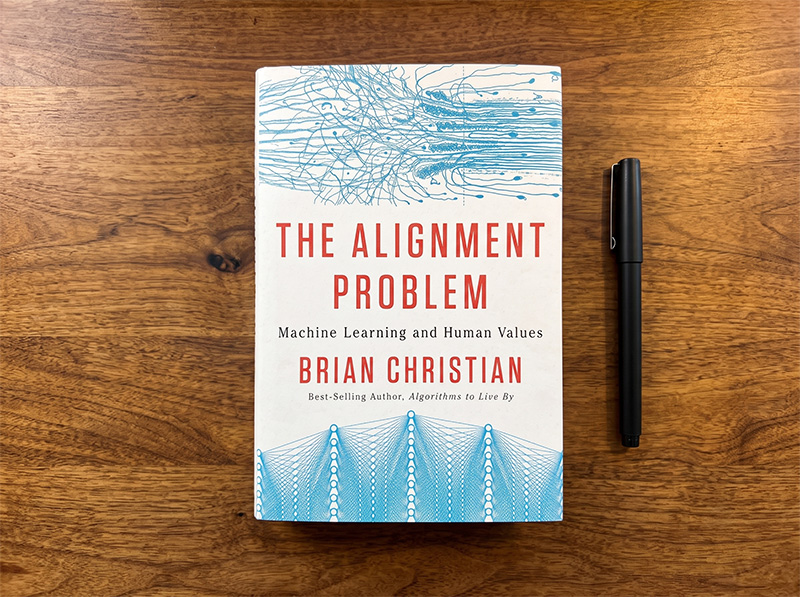
The Alignment Problem
The clearest tour of how machine-learning systems learn the wrong thing. Required context for designing guardrails and trust boundaries. It’s the book that makes you think twice about taking an AI at its word.
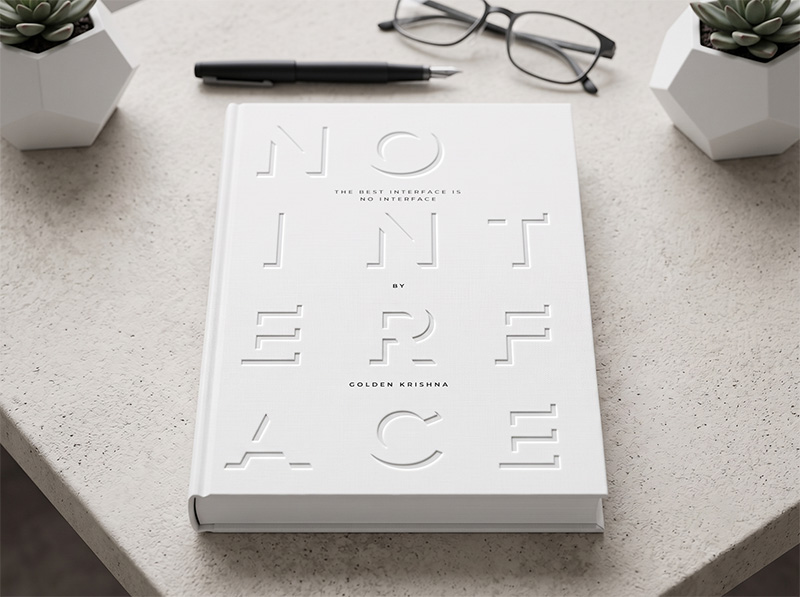
The Best Interface Is No Interface
A provocation against reflexively adding another screen. It’s exactly the right question in an era of agents that could do the task invisibly. The snarky prose makes it a fun read.
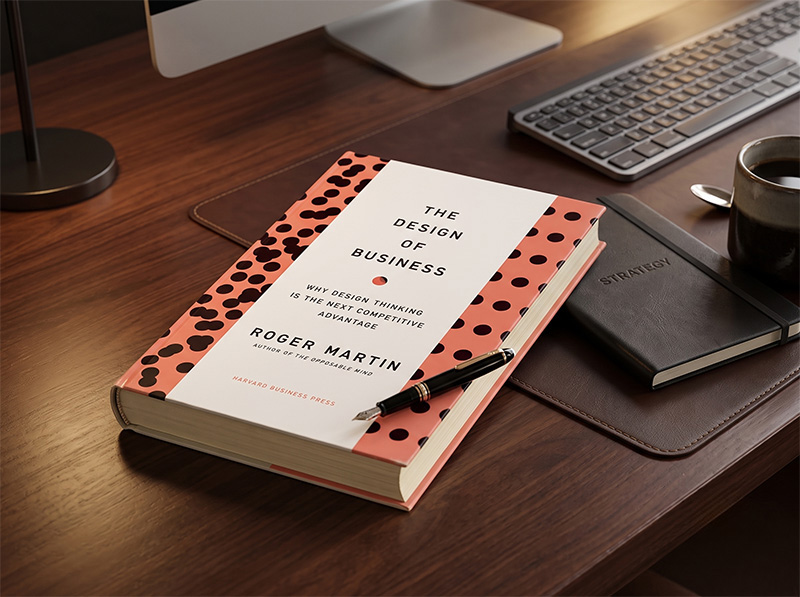
The Design of Business
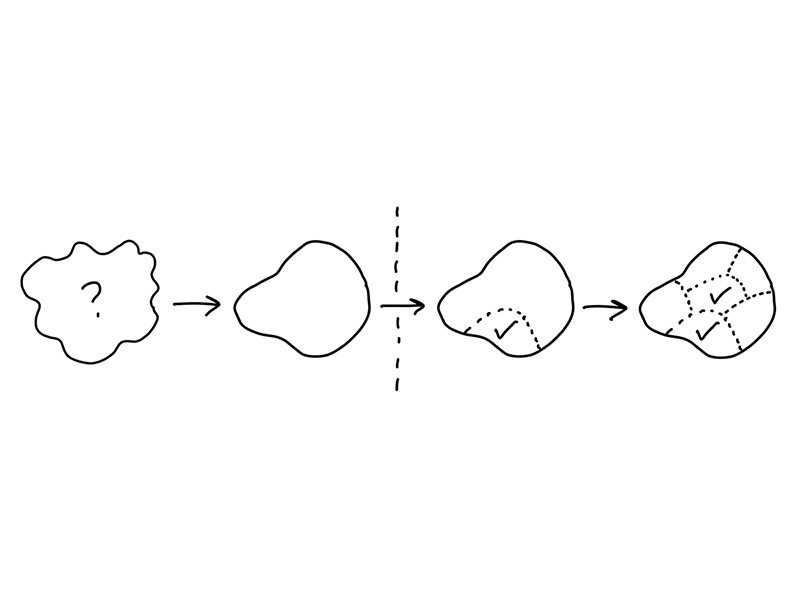
The knowledge funnel from mystery to heuristic to algorithm. A clear account of what design actually contributes to a company, and why we shouldn’t rely solely on metrics and analytical thinking.
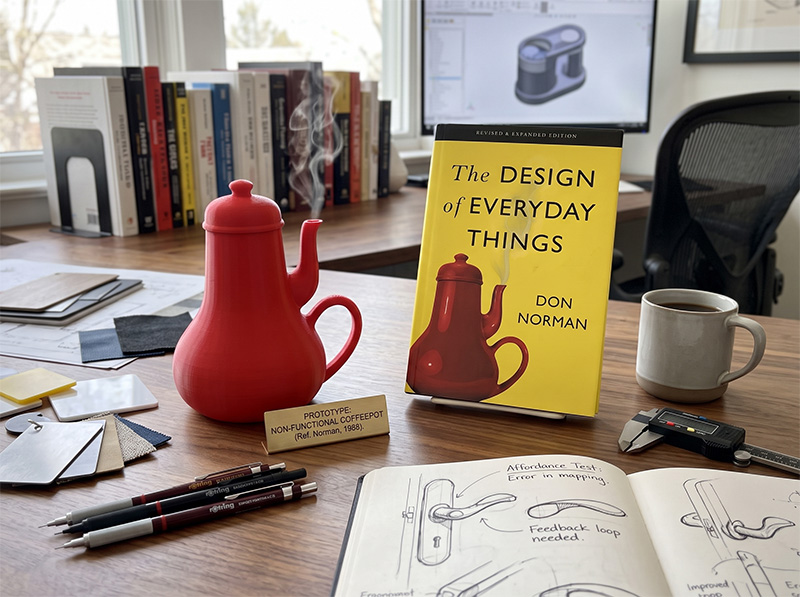
The Design of Everyday Things (Revised)
I met Don at a Google event a few years ago. I’ll never think about door hardware the same way again. This is the foundational text on affordances and signifiers. The examples in the revised version hold up better in our world.
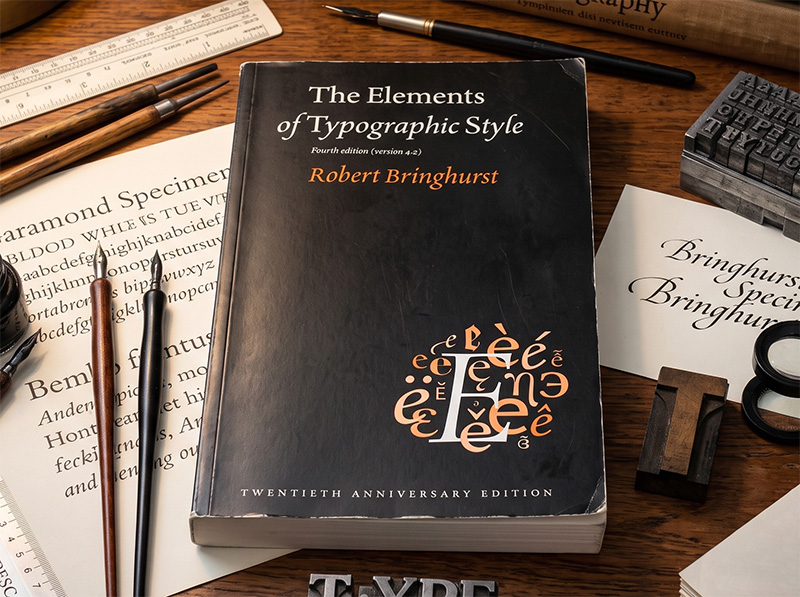
The Elements of Typographic Style (v4)
The standard against which type is measured, and how it scales. Small type, big consequences. A must-have for systems designers.