Big Ideas
Resources
I collect ideas that stick around, the kind that refuse to leave your brain even when you’re working on something else. Some are obvious. Others are obscure enough that I’m still not sure who else has noticed them. The bet is that all of them solve a real problem the way I want problems solved: with directness and a little bit of craft.
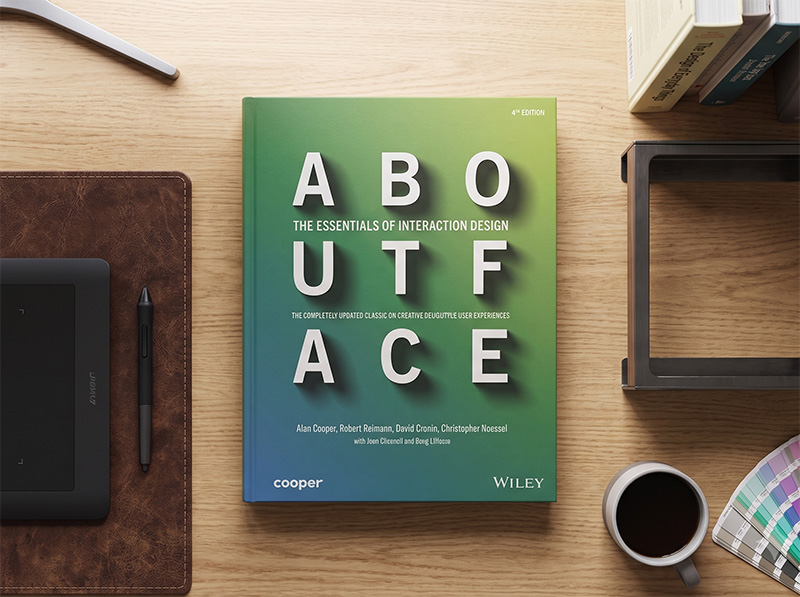
About Face: The Essentials of Interaction Design
Alan Cooper’s classic text on goal-directed design is still the gold standard, and it’s the book I recommend to new designers. Cooper’s principles on the basics keep designers grounded in real human needs.
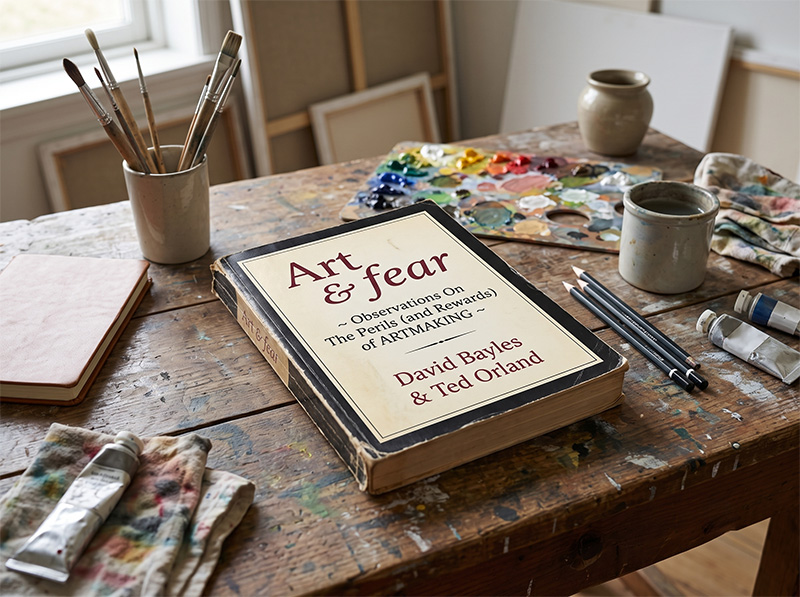
Art and Fear
My main takeaway from this book is that creating more makes you better at creating. It is the act of the work that produces the masterpiece. It’s the clearest path to overcoming the blank canvas.
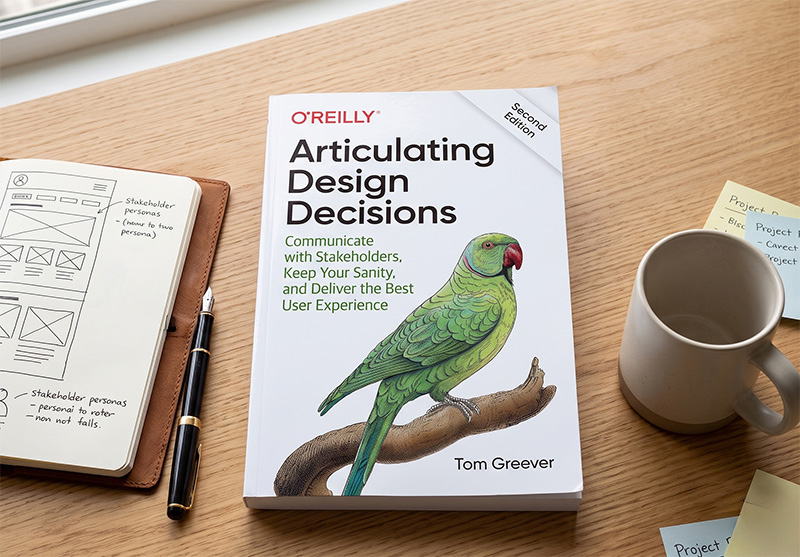
Articulating Design Decisions (Second Edition)
I recommend Tom Greever’s treatise on aligning with stakeholders more than any other book. As technical complexity rises, a designer’s ability to clearly communicate the why behind an interface choice remains their most irreplaceable skill.
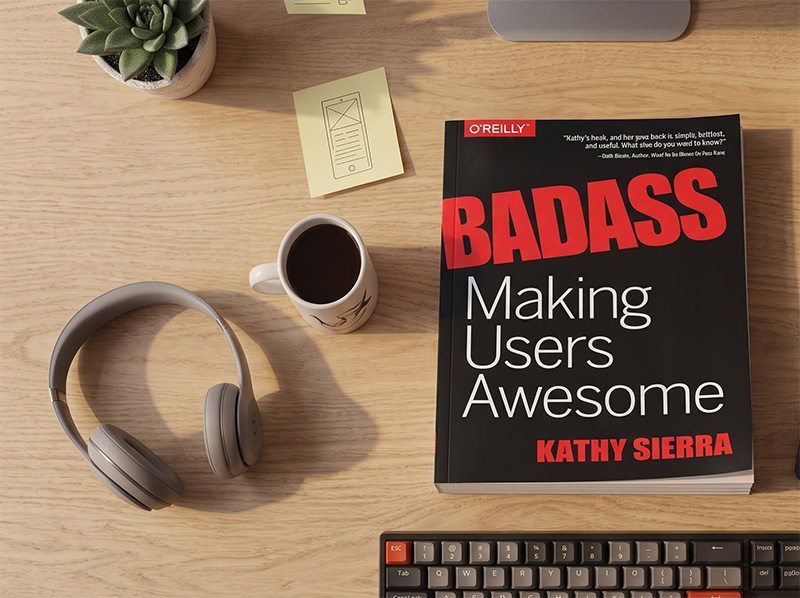
Badass: Making Users Awesome
Stop marketing the tool; help users get demonstrably better at their craft. The most underrated product book of the last decade.
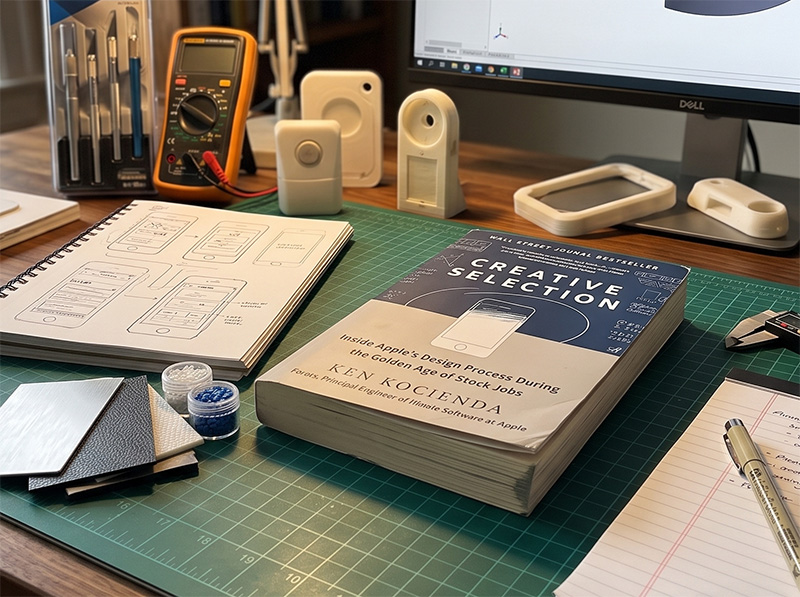
Creative Selection
A firsthand account of Apple’s demo-driven, taste-led process. The best description I know of how real craft decisions get made.
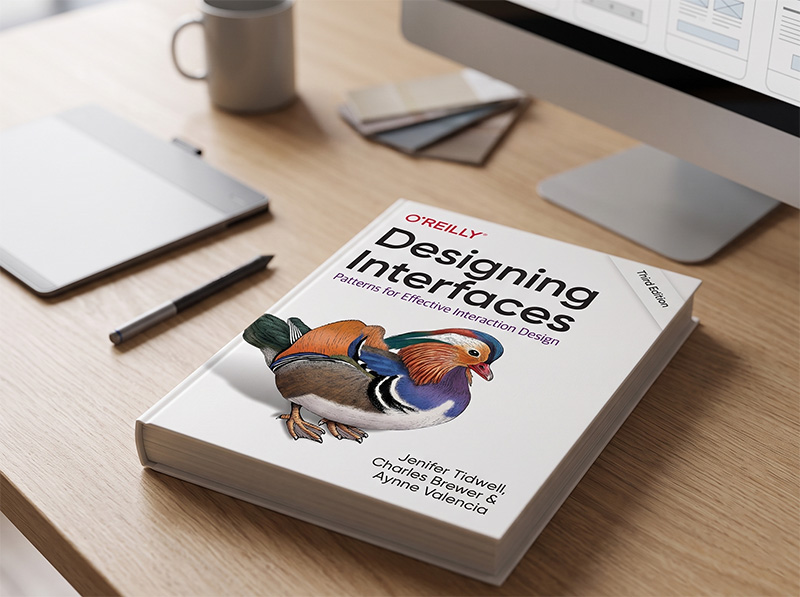
Designing Interfaces (Third Edition)
Third edition of the classic design textbook. A pattern language for interaction design that still pays rent — especially the chapters on showing system state.
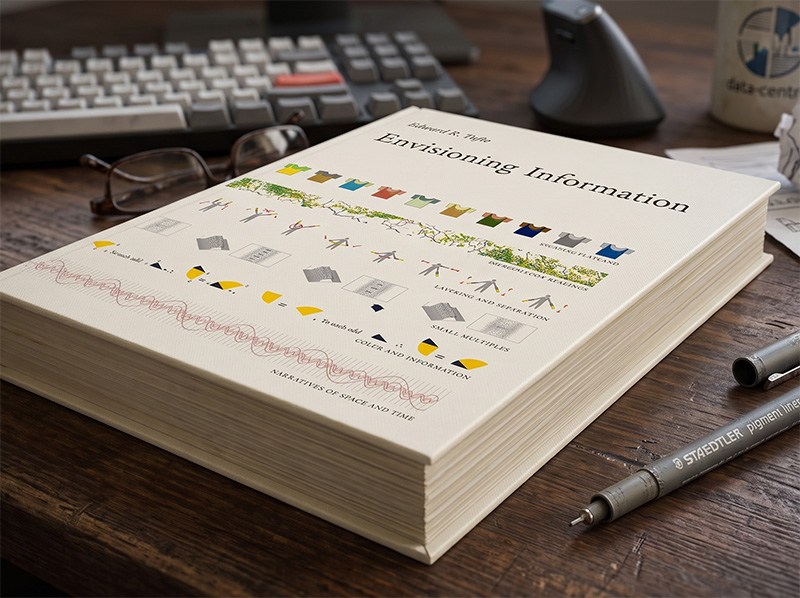
Envisioning Information
How to get more meaning per pixel without lying. The bible for legibility in dense, layered screens.
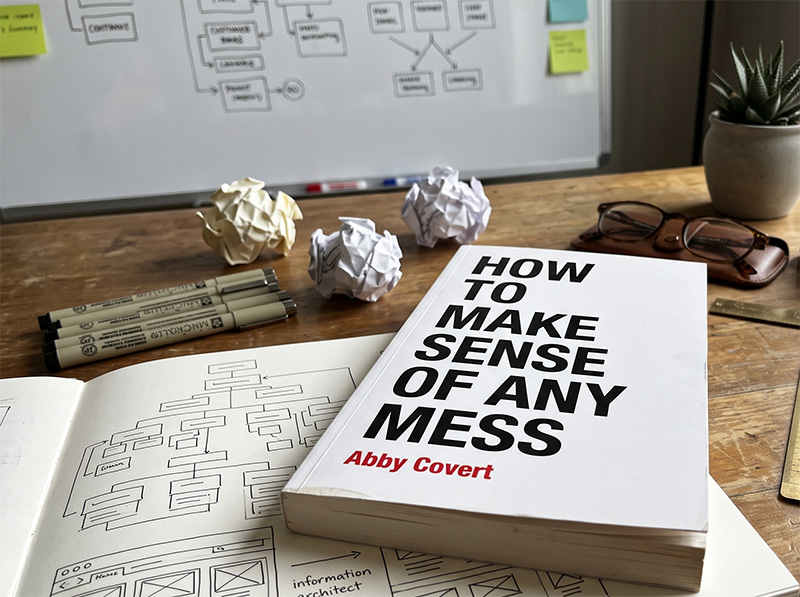
How to Make Sense of Any Mess
This is my go-to book on IA. It’s Information architecture stripped to its human core, and short enough to actually finish and share with your team.
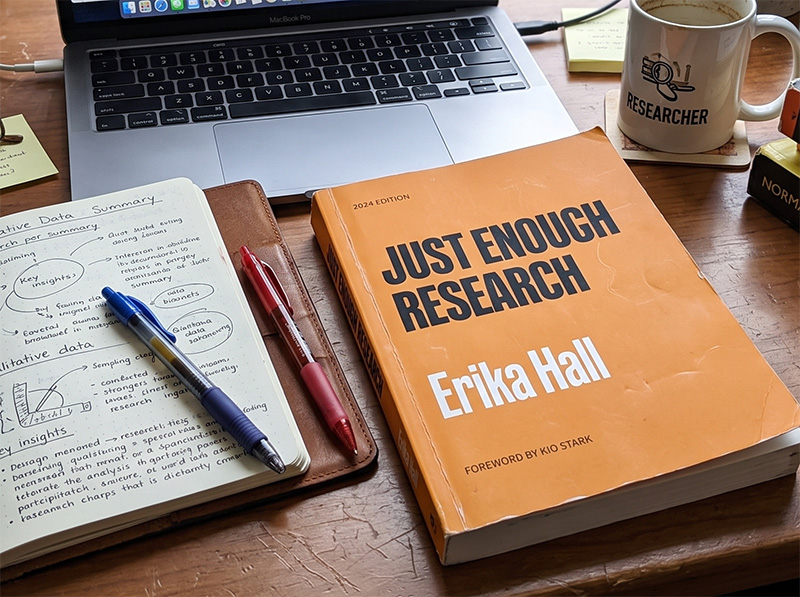
Just Enough Research (2024 edition)
Research demystified for teams that think they do not have time for it. Opinionated in the best way, short enough to finish, and instantly applicable. It’s my go-to recommendation for designers.
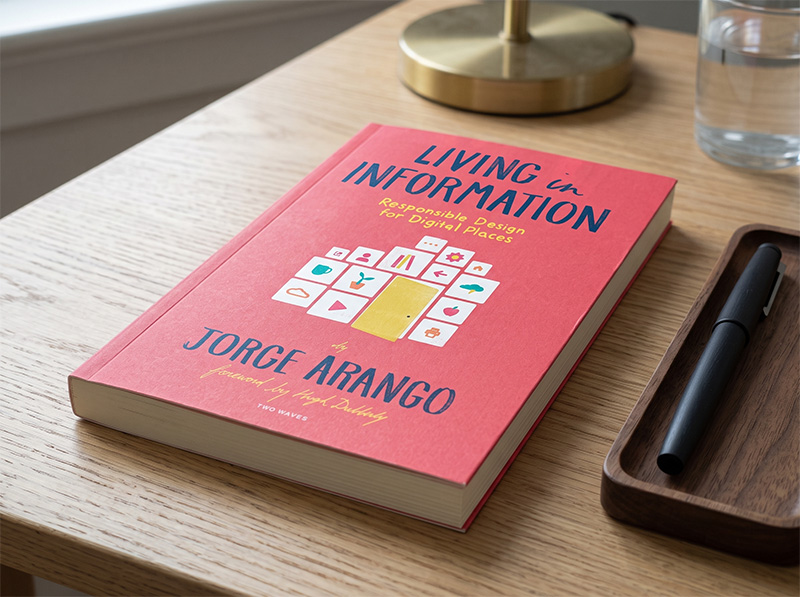
Living in Information
Treat digital products as places people inhabit: “Places convey information. At the physical level, a building’s form conveys to your senses the possibilities for action that it makes available to you.”
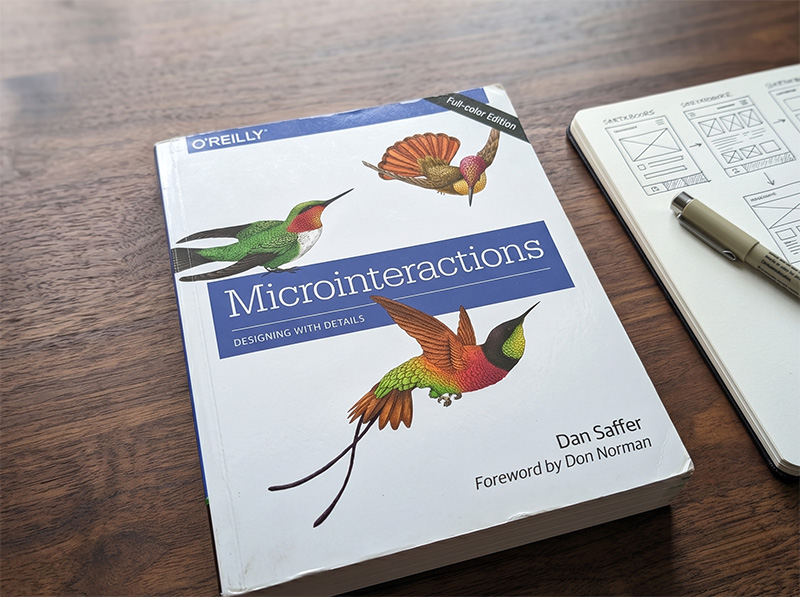
MicroInteractions: Designing with Details
Dan Saffer’s classic deep dive into small functional moments returns to prominence when thinking through feedback mechanics for AI. I’ve recommended this book a lot over the last few years.
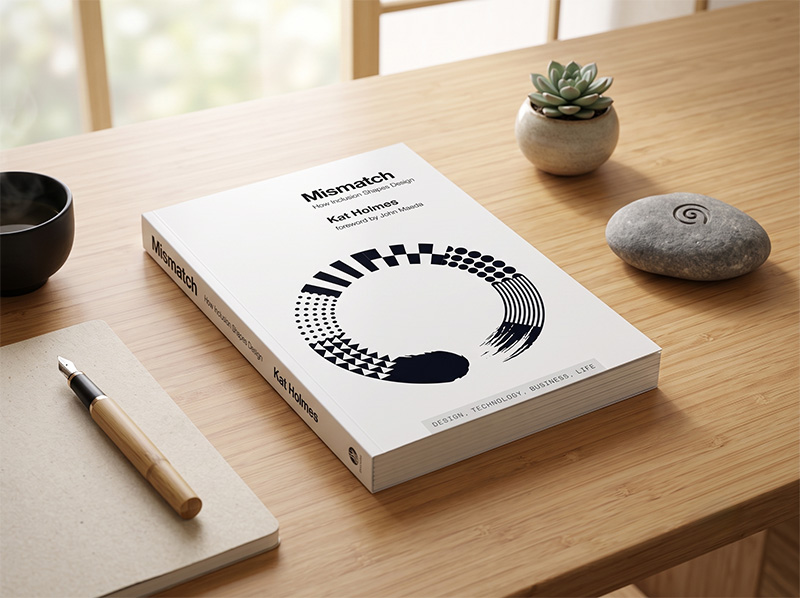
Mismatch: How Inclusion Shapes Design
I met Kat while at Google, and she articulates better than anyone how designing for exclusion leads to better innovation for everyone. It is a vital read for ensuring our choices don’t amplify structural biases or leave people behind.