About
Still not a doctor.
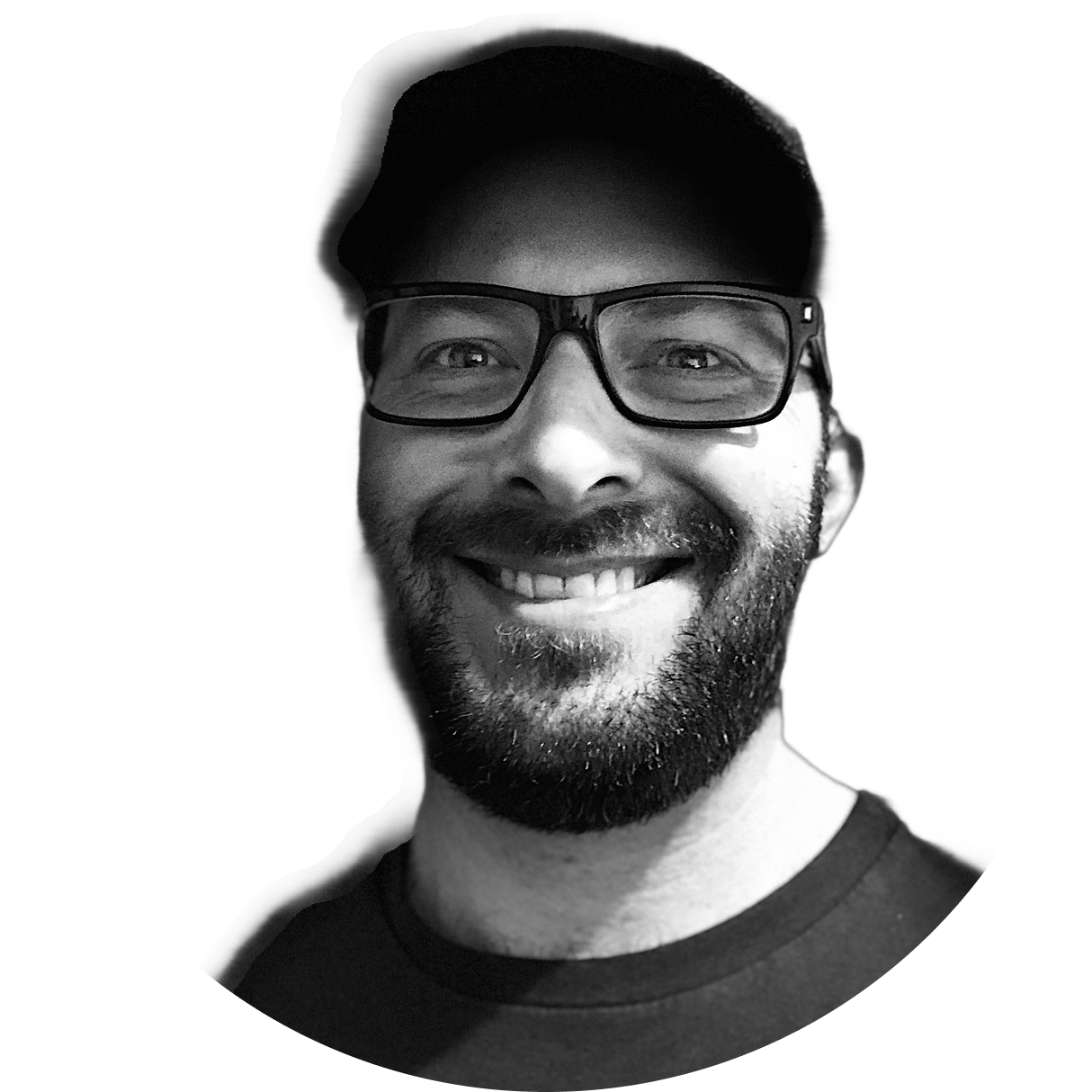
Since childhood, Aaron dreamed of becoming a flaneur, but when that didn’t work out, he redoubled his efforts on becoming an artist, much to the confusion of his parents, who anticipated medical school in his future.
Somehow, all of that ended up being useful in product design.
The career arc has moved from freelancing and building a boutique agency, through a string of startups that got acquired, to design leadership at some of the largest platforms in the world. Along the way, he’s found that the most important part of the job isn’t the design itself. It’s getting an organization to see something it can’t yet see, and then making it tangible enough that it actually believes.
Design, at its best, is the sharpest strategic instrument a company has. It signals where the product is going, what the company thinks of its users, and whether leadership is making bets or just keeping the lights on. Aaron builds teams around that premise: close to the customer, fluent in ambiguity, and fast enough to shape decisions before they’ve already been made.
He’s shipped products that drove billions in revenue and a few that died a silent death. He’s rebuilt design organizations after layoffs and leadership transitions, scaled teams through rapid growth, and spent the better part of the last few years figuring out what it looks like to build AI natively into how a design team moves.
His instinct in ambiguous situations is less to wait for clarity and more to make something: a prototype, a provocation, a strategy document that gives people something to push against. Usually that’s where the real thinking starts.
He also co-founded a design community in the South Bay that grew to over 3,000 members, which is either evidence of genuine community-building instincts or just really good snack selection. Probably both.






How I work
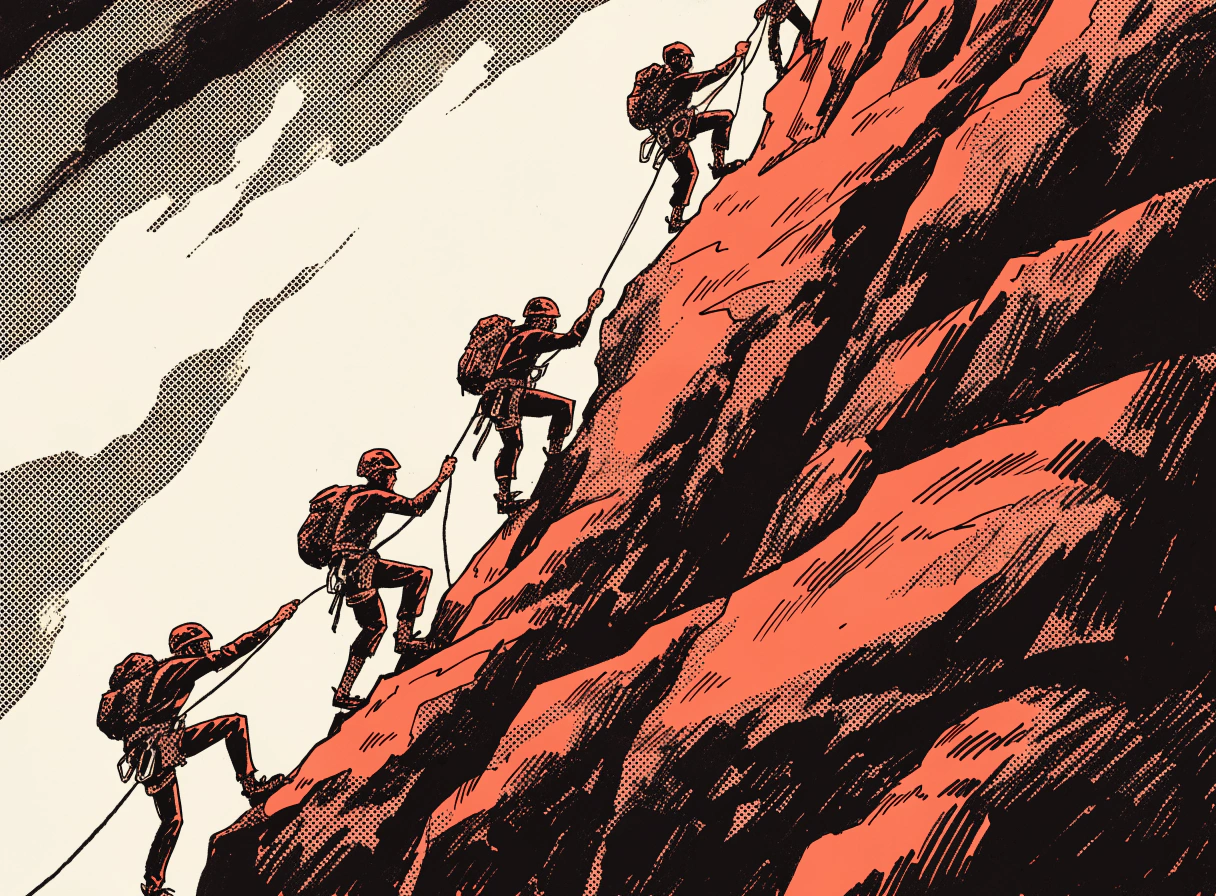
Cohesion ain’t a vibe. It’s a system.
It’s built from specific rituals: how critiques are run, who gets the credit in front of leadership, what happens the first time someone disagrees with me and turns out to be right. Get those right, and growth stops being a stack rank. A team I led went over two years without losing a single person, because everyone was still climbing and figuring it out together.
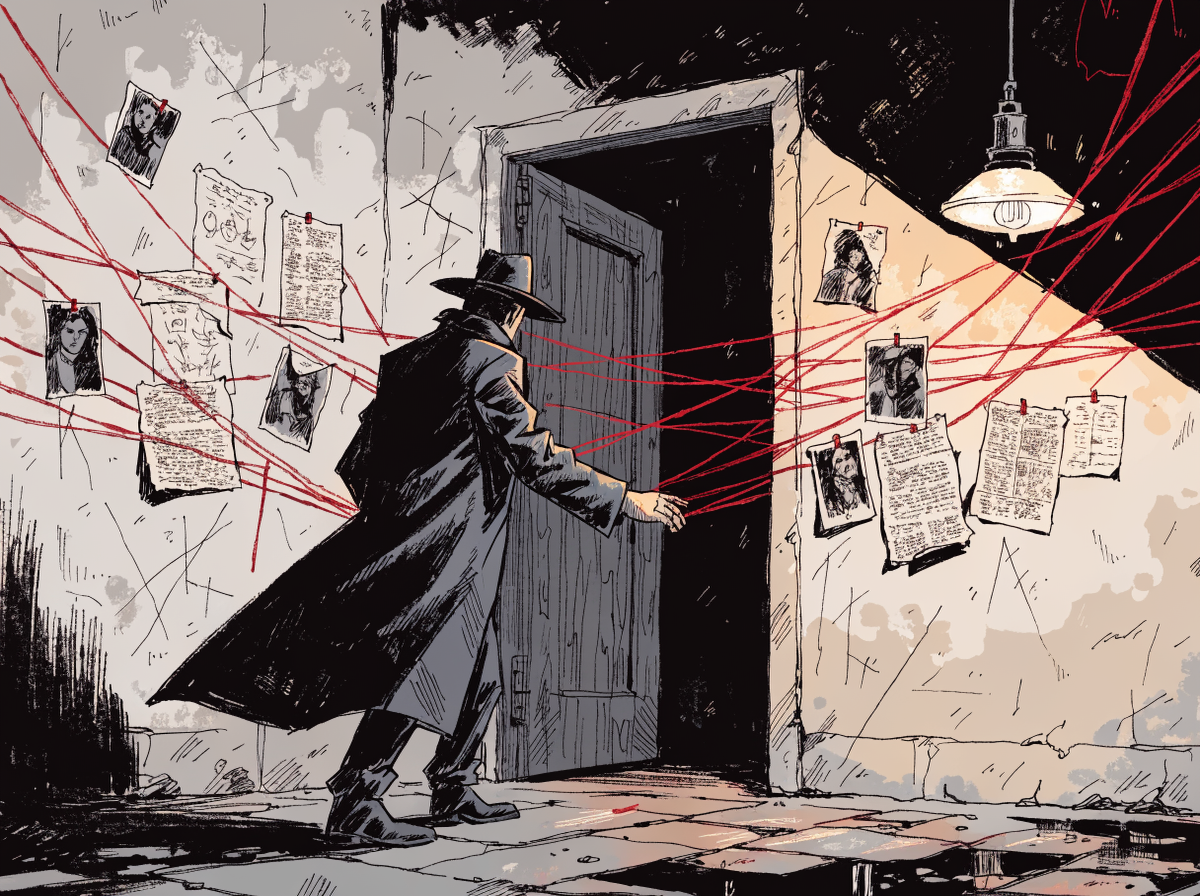
Vision starts with a need nobody’s named yet
The best product vision doesn’t come from play-it-safe experiments. And it isn’t invented in a strategy doc. It’s found — by connecting dots that don’t look related yet: a shift in user behavior, a trend nobody’s tracking in the business’s own terms, a gap sitting quietly between the two. I’ve obsessed over chasing that unmet need before it has a name, and reshaping the business around it once it does.
Fluency is how you spot the opening
I build with AI myself, hands-on, because lived fluency is what helps me spot opportunities to improve our product and our people. Meanwhile, I don’t believe the core job of Design has changed. Synthesis, storytelling, systems thinking — the same core design skills that outlast every tool are what turn that opportunity into real product outcomes.
Experience
-
VP of Design // Mural
2025 – present
Transforming Mural for an agentic world. Compressing iteration cycles by building an AI-native design team, and partnering with the C-suite to shape where the product goes next.
-
Director of Product Design // Roblox
2022 – 2025
Led design in Social and in Roblox’s multi-billion-dollar Monetization business. Shipped important safety features, reinvented the Avatar Marketplace, and built the Ads platform from zero to one.
-
Head of Design, Commerce // YouTube
2020 – 2022
Turned an infra org into a real DTC commerce platform, scaling ARR into the billions and standing up a full-stack design system that now powers a dozen business models.
-
Staff Designer // Google Workspace
2019 – 2020
Built the research-backed case for a security platform unification, then won the funding and staffing to go build it.
-
Sr. Principal Product Designer // Broadcom (née CA Technologies)
2016-2019
Led discovery sprints that drove cost savings and new product outcomes, unified a portfolio of products under one design system, and co-founded the company’s internal design center of excellence.