Navigating The Shift
Aaron Sagray
I’ve helped some of the world’s most recognized companies turn complex challenges into products that drive real revenue, working across consumer, enterprise, and everything in between. Today that means leading the shift to AI-native design: building the teams, tools, and practices for a discipline that’s changing faster than any of us expected.
Recent articles

If Every AI Feature has a Text Box, How Do You Get It Right? (part 2)
Once chat is ruled in, the craft is composition, editing, and repair loops, not the chat box. How to build AI conversation surfaces that actually hold together.
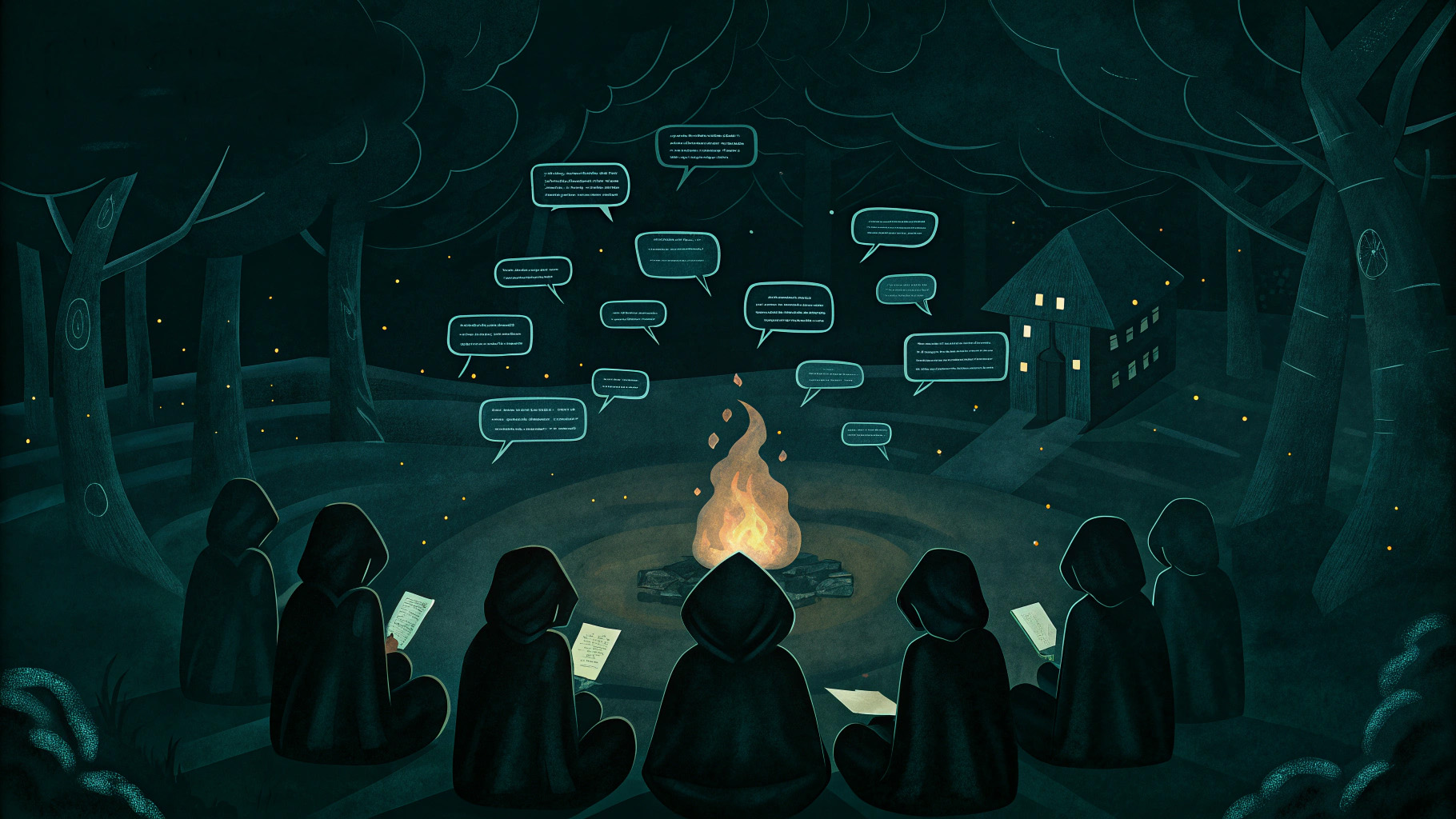
Every AI Feature Doesn’t Need a Text Box (part 1)
Chat is often the lazy default. Instead, use a pattern selection model that maps task type to the right interaction affordance for AI product design.

Bringing People Along: Up-skilling, Skeptics, and the Fear Nobody Names
AI up-skilling stalls on identity threat, not capability gaps: A tiered approach that meets people where they are, and an empathetic guide to that difficult performance improvement conversation.
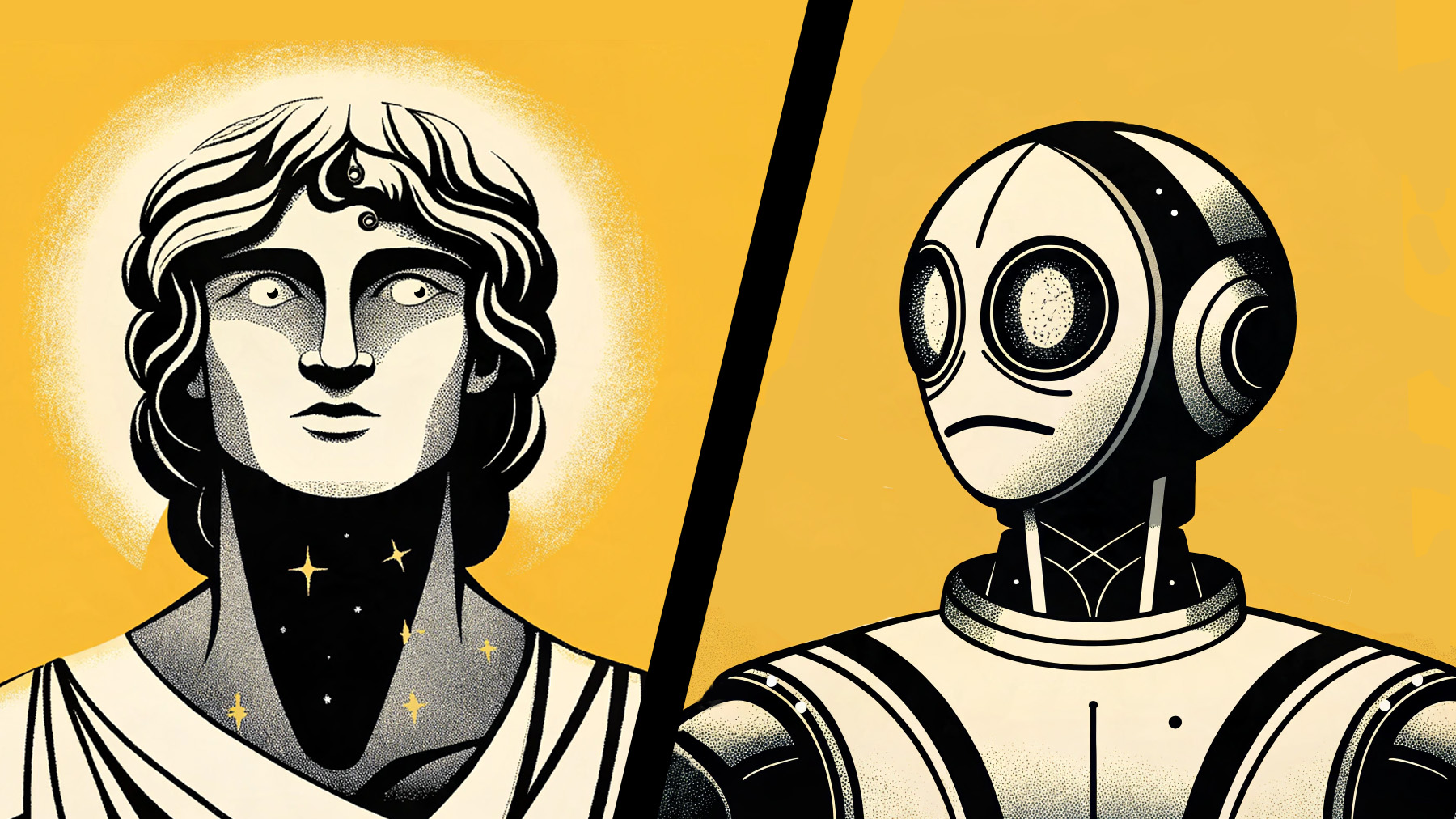
Teammate or Tool Call? A Decision Rule for Personifying Agents
Personification is a design decision with real implications. A four-question decision tree that routes every agent surface to its lowest sufficient posture.

Leveling and Hiring Calibration When Everyone Has a Copilot
AI narrows the gap between your strongest and weakest performers. Your leveling heuristics and interview bar need to recalibrate around critical thinking and judgment, lest you encounter lava.

The Mental-Model Reset: Designing Systems That Decide
Moving from deterministic screens to probabilistic behavior is the biggest design shift since mobile. A before/after worksheet to reorient your team’s assumptions.
Resources
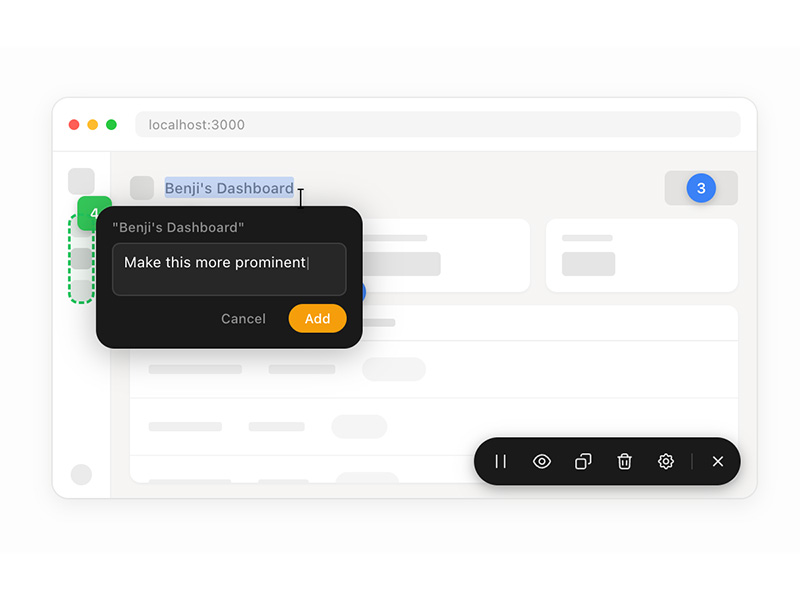
Agentation: Visual Feedback for Agents
Who came first? Did this pattern emerge from Claude Design? Does it matter? Agentation seems like the right way to talk to AI about visual design tweaks.
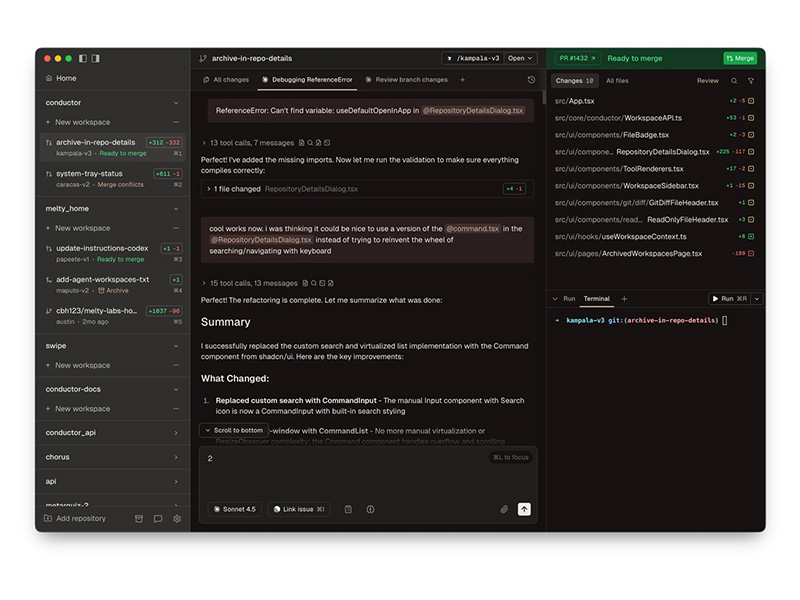
Conductor
Conductor has become the efficiency unlock for me when I build prototypes and apps. I built this site using Conductor, with typically 3-4 agent sessions running at once. The workspace approach just makes so much sense.

People + AI Guidebook
Google keeps a running guidebook of best practices for designing human-centered AI products. Based on mountains of research.
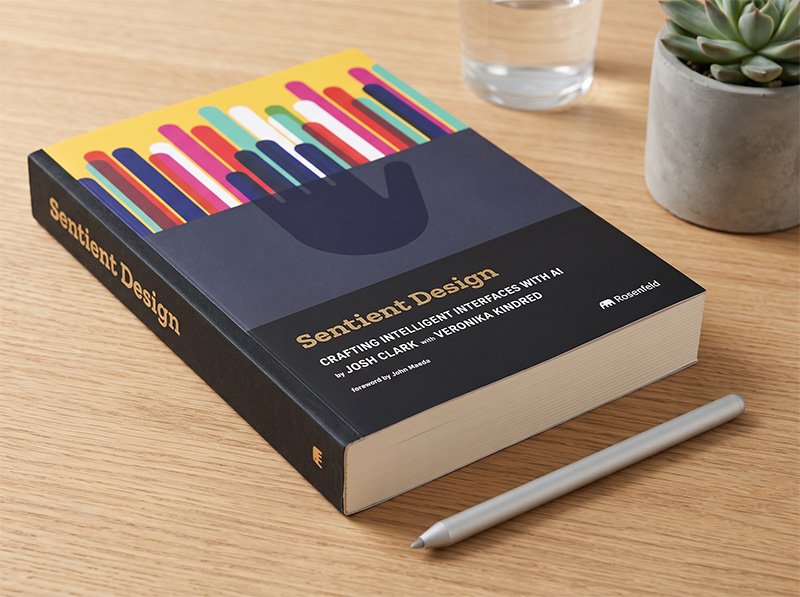
Sentient Design
The richest treatment of AI as a design material and radically adaptive interfaces. This is the book I’m recommending for this moment.
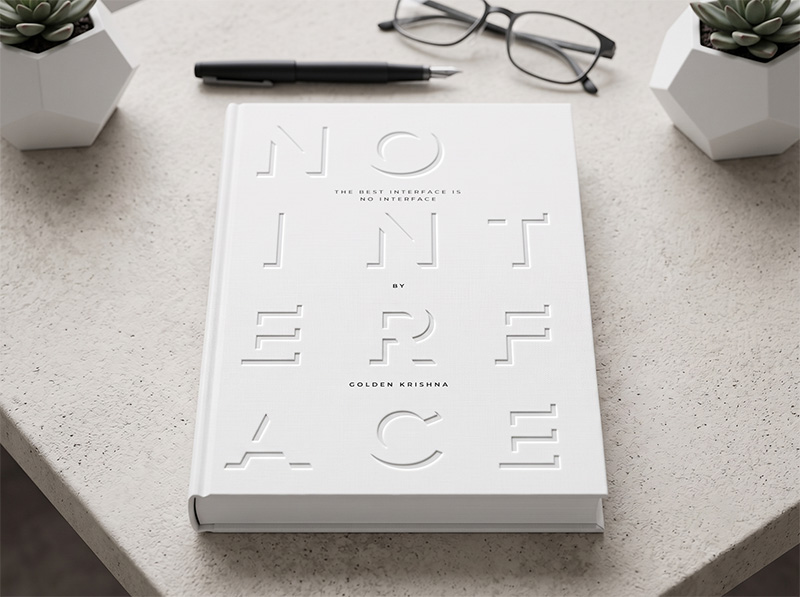
The Best Interface Is No Interface
A provocation against reflexively adding another screen. It’s exactly the right question in an era of agents that could do the task invisibly. The snarky prose makes it a fun read.
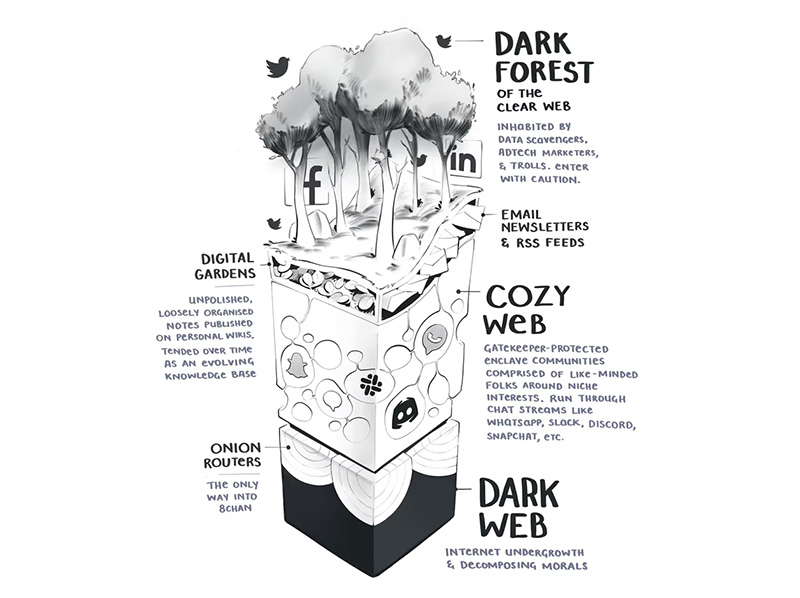
The Dark Forest and Generative AI
An examination of the “dead web” theory and how an explosion of synthetic content changes human trust. It challenges designers to think deeply about how we prove and verify human identity inside software.